
Why Prototype?
Exercise
Beginner
+180XP
30 mins
Unity Technologies
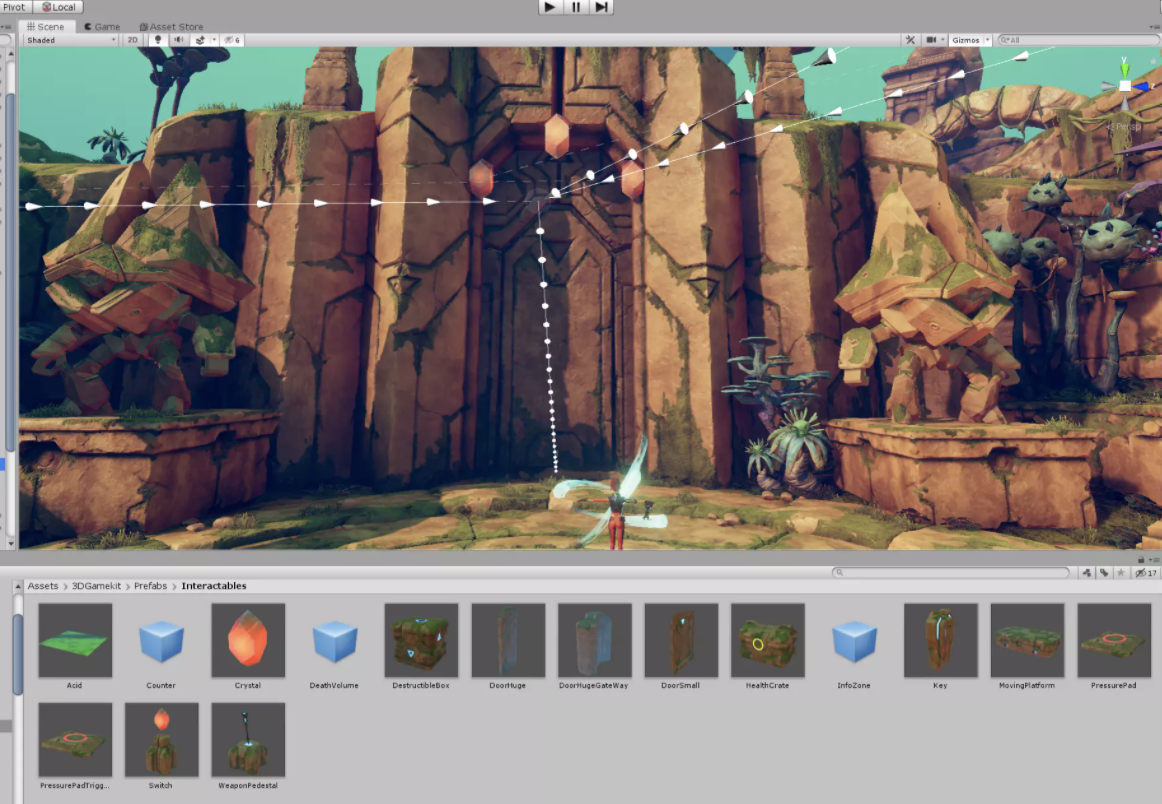
Even professional game makers with years of experience can't look at a game idea and say whether it is fun. How do they find out? Prototyping.
1. Making Games is Risky Business
2. Prototyping is How you Find the Fun
3. How do professionals prototype?
Before you start prototyping yourself read further about why and how professionals prototype:
- Macklin and Sharp’s compact, practical book covering the concrete details of making games, from brainstorming strategies to task planning spreadsheets. Colleen Macklin and John Sharp. Games, Design and Play. Pearson Education 2016. (A PDF version is also available in the Tutorial Materials tab)
An indie game designer shares what he learned from prototyping Dance Central and his own titles. Watch from 1:30 to 43:00. “why it's worth ... prototyping, 8 lessons for how to do it effectively, and 8 common pitfalls to watch out for and avoid”
A designer/producer tells the story of developing HOARD, a successful indie game, through creative, quick-and-dirty prototyping. 37:00-41:00 discusses several specific tools for rapid prototyping, including drawing level maps in Excel. 12:00-36:00 follows the game through several prototypes, from board game to PS3 release. “I went to my friend Microsoft Excel and started laying out levels.”
4. Assignment: Prototype your Game
It’s time to put pen to paper! We’re asking you to make not one but two prototypes for your game this week. Here’s where you will take the first step toward making your idea into a real, playable game. This assignment has several steps, but you’re only going to turn in one thing, your write up about your prototype.
**If you haven't already, read the chapter from Macklin and Sharp describing different kinds of prototypes. It's also available in the resources.
1. Professionals actually do take time to make and write down a list of questions at the beginning of their projects to guide their prototyping. So write down some of the big questions you’re currently dealing with, such as:
- What will my game look like?
- Can I make the character’s jump feel good?
- Do players understand my elemental magic system?
- Can players solve my puzzle?
- Will the player understand that green bars are health and orange bars are fuel?
2. Choose one of the big questions and create a non-digital prototype that will help you answer it. These are the kinds of prototypes that designers usually make first:
- An art prototype, perhaps a mood board or a single character design
- A paper prototype to test gameplay. (Remember that you can prototype many time-based games like tower defense by representing time as turns.) c. An interface prototype, such as a mockup of the game screen showing where and how score, health, etc. would be shown.
3. Create a playable digital prototype of your game idea that shows its main mechanic. For example, if it’s a platformer, make a little test project that is nothing but two platforms and the character jumping. If it’s a tower defense, make a single enemy and one tower. DO NOT spend a lot of time on this – a couple of hours at most. It’s not the first build of your game, so your code will be messy. Make it just good enough to ask the question.
4. Find players and ask them to look at/play your prototype. Depending on the kind of prototype, you might be able to ask other students for feedback using the forum for this assignment. Ask questions about what they’re seeing or doing – these can be yes/no questions, but they can also be open-ended, like “how does this mood board make you feel?”
5. Create a short writeup of the results, about a page including pictures or screencaps of the prototype and/or players using it. Answer these questions:
- What question were you trying to ask with your prototype?
- Did you get feedback that helps you answer that question?
- What results did you obtain when people played/looked at it?
- What did you learn from those results?
6. Share your write up via screen caps and the description in the gallery.
7. Provide feedback to at least two other leaners using the comments in the gallery.